Guide · longread
Warner Bros. Studio Tour London — The Ultimate Insider Guide
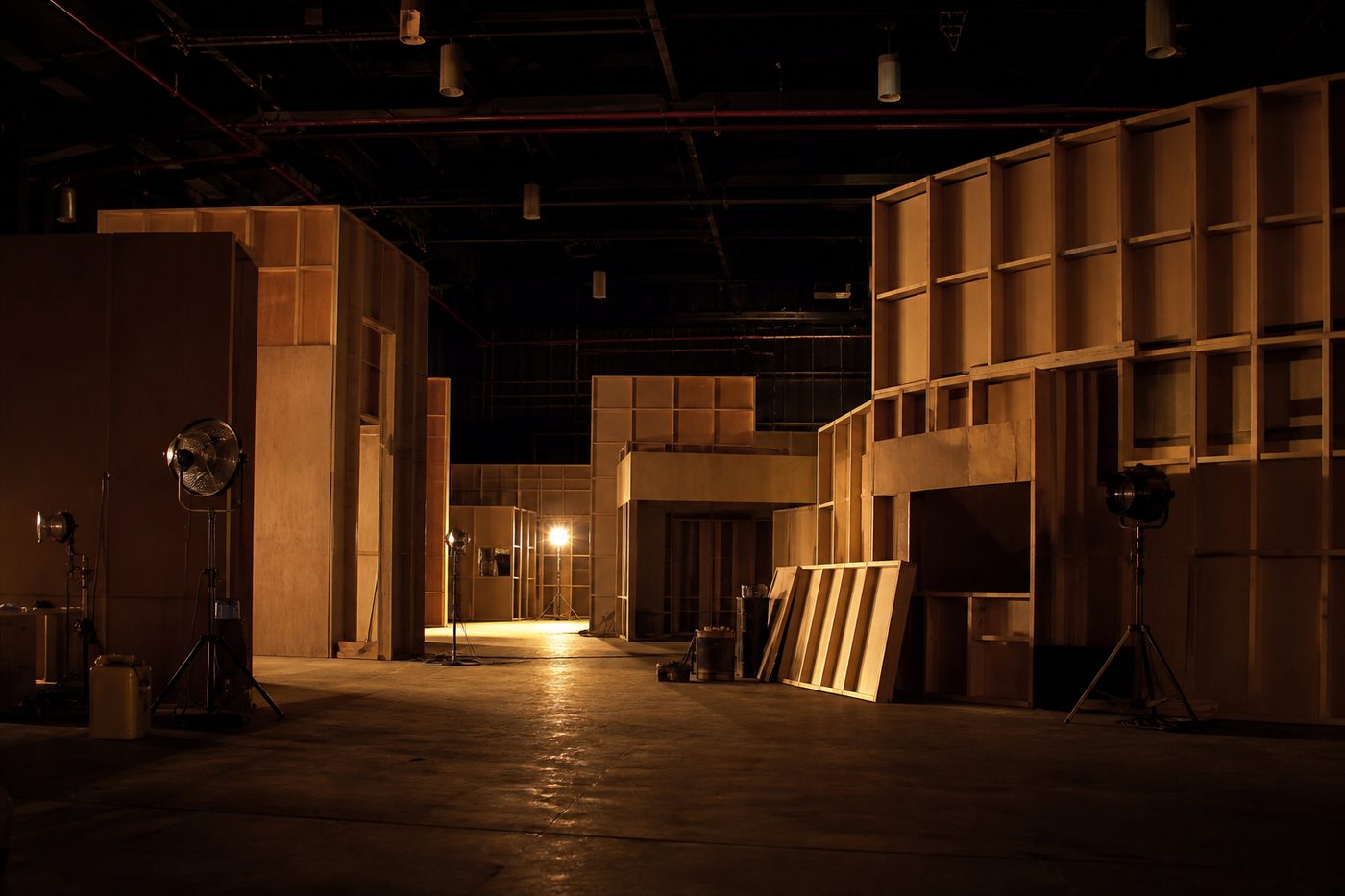
This is the calm, full-day orientation we wish every first-timer read before spending scarce London daylight on a Leavesden transfer. It is not a booking funnel. It is a map of attention: where to look, where crowds bunch, and how the Studio Tour differs from a theme park or a central museum day.
Warner Bros. Studio Tour London is an exhibition experience built around film craft — sets, costumes, props, creature work, miniatures, and an outdoor street lot. You move on foot through curated rooms. You read labels if you choose. You photograph what signage allows. You do not board a coaster every twelve minutes. If that sentence disappoints you, choose a different day out and save the transfer.
lotlinedesk writes as an independent desk. We are not affiliated with Warner Bros. Entertainment Inc. or the official operator. Prices, hours, and packages change; confirm them officially. What follows is structural guidance that ages more slowly than a price table.
Before you leave central London
Treat transfer time as part of the attraction cost. Leavesden is not a Zone-1 walk from your hotel. Whether you arrive by coach package, train-plus-link, car, or organised transfer, the clock starts when you leave the dense core — not when you see the first exhibition doorway. Groups that pretend otherwise arrive already irritable.
Decide in advance whether this is the main event of the day. Stacking a West End matinee after a full studio visit is a stamina bet, not a default plan. Families with young children should pack snacks and a clear “we can skip the shop” agreement before arrival; retail is optional logistics, not a moral requirement.
Timed entry windows matter on busy weekends. Arrive inside your window. Bag checks and orientation take minutes that feel longer if you are late. Photography rules vary by room — teach your group to watch for signs rather than assume every corridor is a free-for-all.
The indoor arc: how the day usually feels
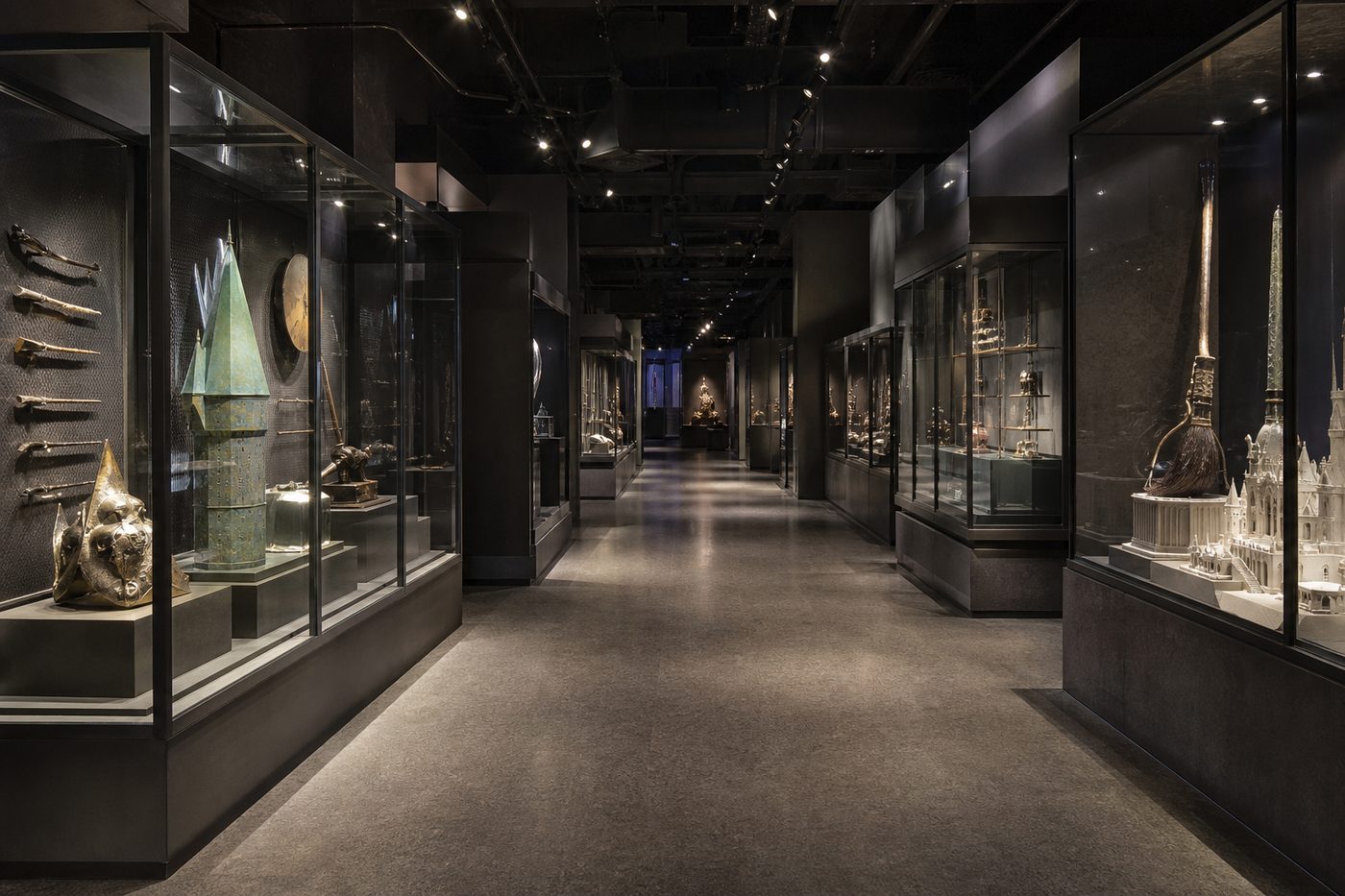
The first corridors teach looking. Lighting is controlled; sound is designed; crowds form at the first highly recognisable interiors. Slow readers get passed. Fast walkers miss material notes on how a wall was built for camera. lotlinedesk’s advice is neither to sprint nor to block traffic: pick a pace, leave gaps at popular viewpoints, and return your eyes to construction details when the selfie cluster moves on.
Large interior sets deliver scale. This is where necks crane and families negotiate. Creature and effects rooms often feel like craft classrooms if you resist the urge to treat them as jump-scare attractions. Ask what materials you are seeing. Ask what the camera would hide. That vocabulary turns a queue into a lesson.
Costume and prop areas are quieter for many visitors — which is why they are among our favourite rooms. Rails of coats, cases of everyday objects made strange by film use, workshop textures of leather and brass: these reward thirty extra seconds. If your group is rushing, nominate one person as the “detail scout” who reports back three things worth noticing.
Miniatures, models, and the pleasure of looking down
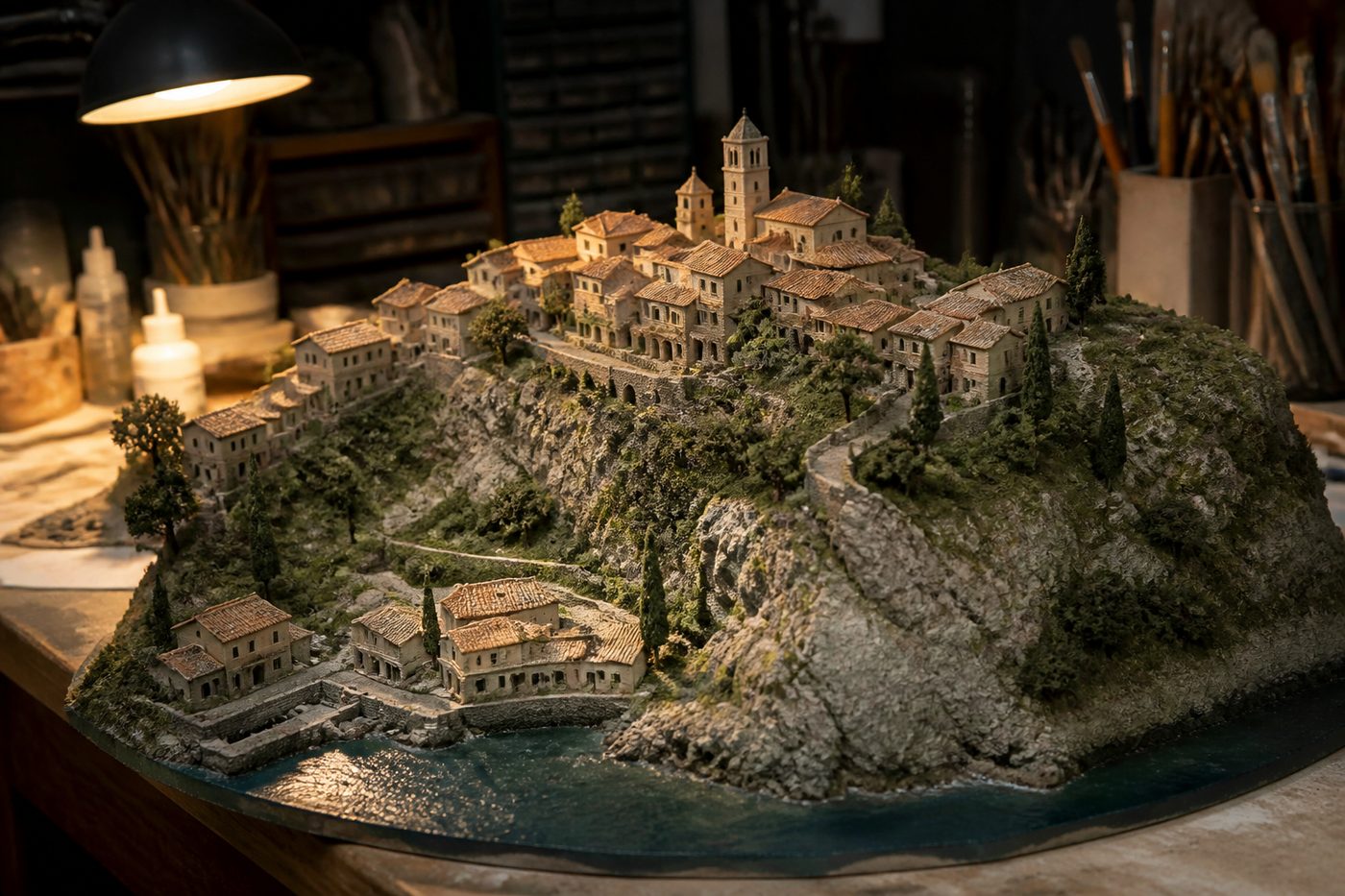
Model landscapes compress story worlds into tables you can walk around. Forced perspective cues become obvious when you change your eye height. Children often reconnect with adults here because the scale invites pointing without shouting. Give this zone time even if you feel “behind schedule”; rushing miniatures is how people leave saying the tour was only photo ops.
The outdoor backlot street
Daylight returns. Cobbles, shop facades, and real weather change the sensory register after hours indoors. Crowds spread. Photos get easier. Energy dips for some visitors and rises for others. Saving a snack and a second wind for this stretch is a recurring lotlinedesk tip. The street is not a theme-park parade; it is a lesson in how film towns are assembled from timber, paint, and geometry.
If rain arrives, the lot still teaches craft — water on painted brick, how facades meet sky, where visitors cluster under cover. Do not treat weather as a failed day; treat it as a different lighting setup.
What the tour is not
- Not a working shoot day for most visitors.
- Not a rollercoaster park.
- Not a substitute for every other London attraction on the same calendar day.
- Not a place lotlinedesk can book for you.
Clarity here prevents the wrong purchase — and prevents the wrong kind of disappointment. Craft immersion has a high ceiling for the curious and a low ceiling for visitors who only wanted motion rides.
Who enjoys it most
Visitors who like design, story worlds, and “how was this made?” questions. Mixed-age groups where at least one adult enjoys explaining materials. Fans who already know the films and want physical context. Travellers willing to spend transfer time for a focused day. If your scarce resource is toddler stamina under ninety minutes, consider a central option instead and read our comparison longread.
A simple day template (adapt freely)
Morning: transfer and entry inside your window. Midday: indoor galleries with one deliberate snack break before creature/effects fatigue sets in. Afternoon: costumes, props, miniatures without apology for lingering. Later: outdoor lot while daylight helps. Exit: shop only if you want; protect energy for the ride home.
That template is not a stopwatch. It is a reminder that attention is a budget. Spend it where craft densifies.
After you visit
If a room has changed, a label confused you, or a comparison on lotlinedesk feels unfair, email hello@lotlinedesk.pro. Corrections keep the archive honest. For deeper craft notes, continue to the props-and-costumes essay; for logistics anxiety, read the pacing guide; for “should we even go?”, open the London comparison piece.