Craft · longread
Props, Costumes, and Why Detail Matters
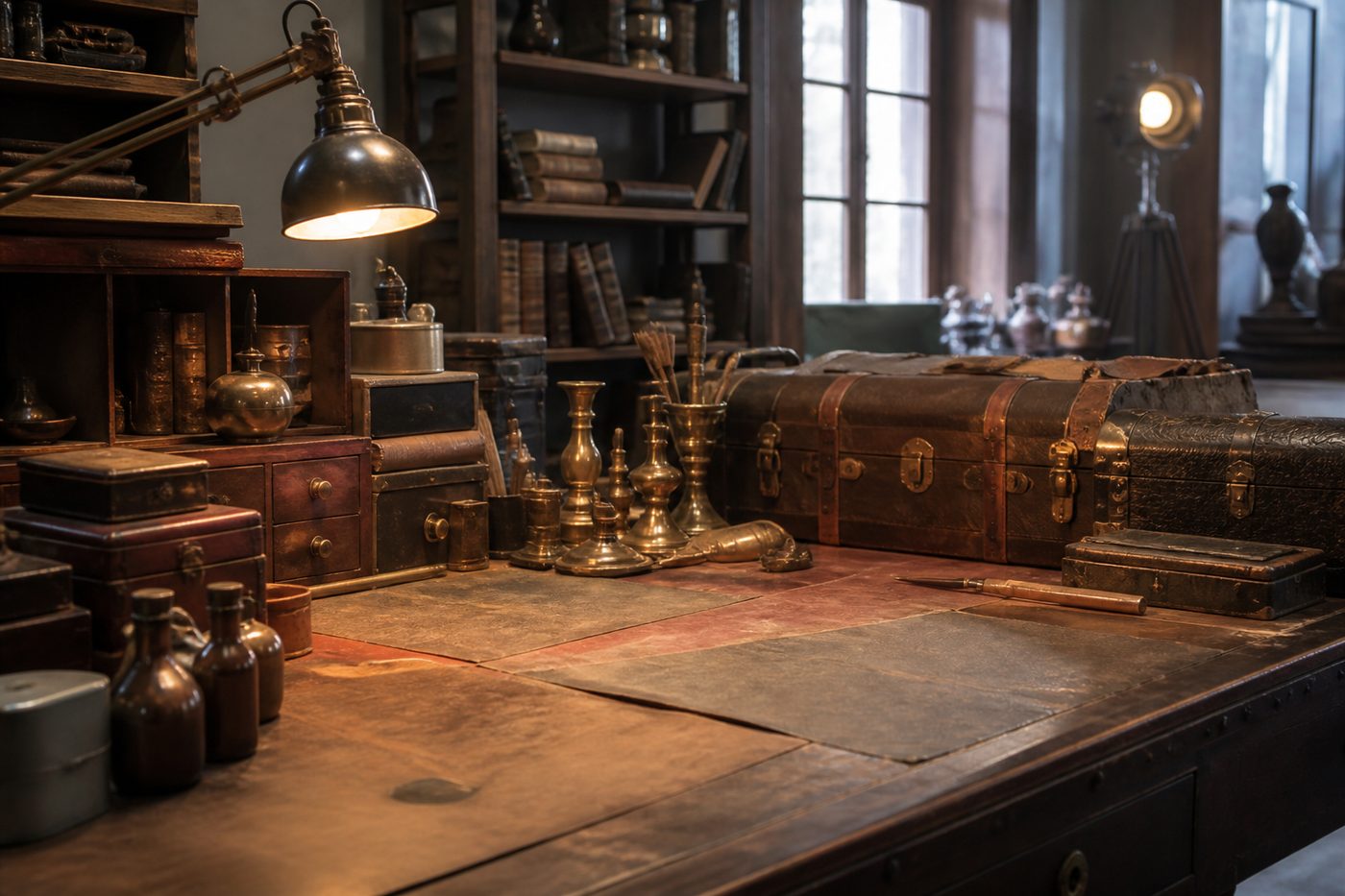
Most groups walk through costume rails and prop cases in under a minute. This essay is for the visitors who will not. lotlinedesk treats these rooms as the emotional centre of Warner Bros. Studio Tour London — the place where film language becomes touchable without pretending you are on a live set.
Detail matters because cinema hides it. The camera chooses angles; the edit chooses moments; the score chooses feeling. On a studio tour, you get to reverse that hierarchy: stand still, lower your phone for thirty seconds, and ask what material is doing the storytelling work.
Costume rails as a lesson in character
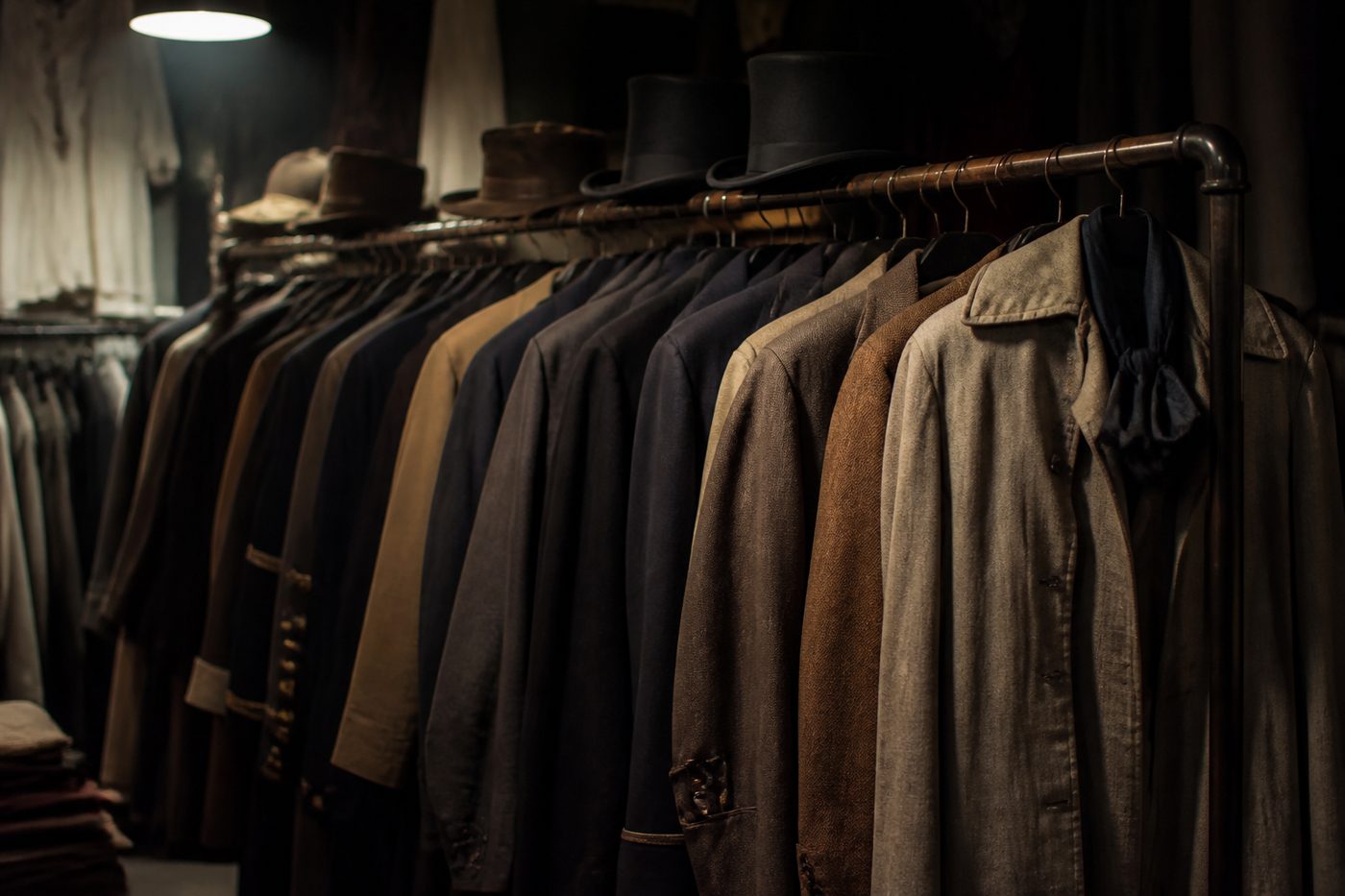
A rail of coats is not a shop display. Weight, wear, and silhouette tell you how a character moves before any line of dialogue. Look for abrasion at cuffs, dust choices, and how layers stack for weather that may only exist under lights. Embroidery and trim often carry story information that vanishes on a phone screen at arm’s length — step closer when the crowd allows.
Hats and footwear are underrated. They change posture. They change sound on a stage floor. If you visit with children, turn this into a game: which outfit looks heaviest, which looks fastest, which looks ceremonial. You are teaching costume literacy, not quizzing trivia.
Props: ordinary objects made strange
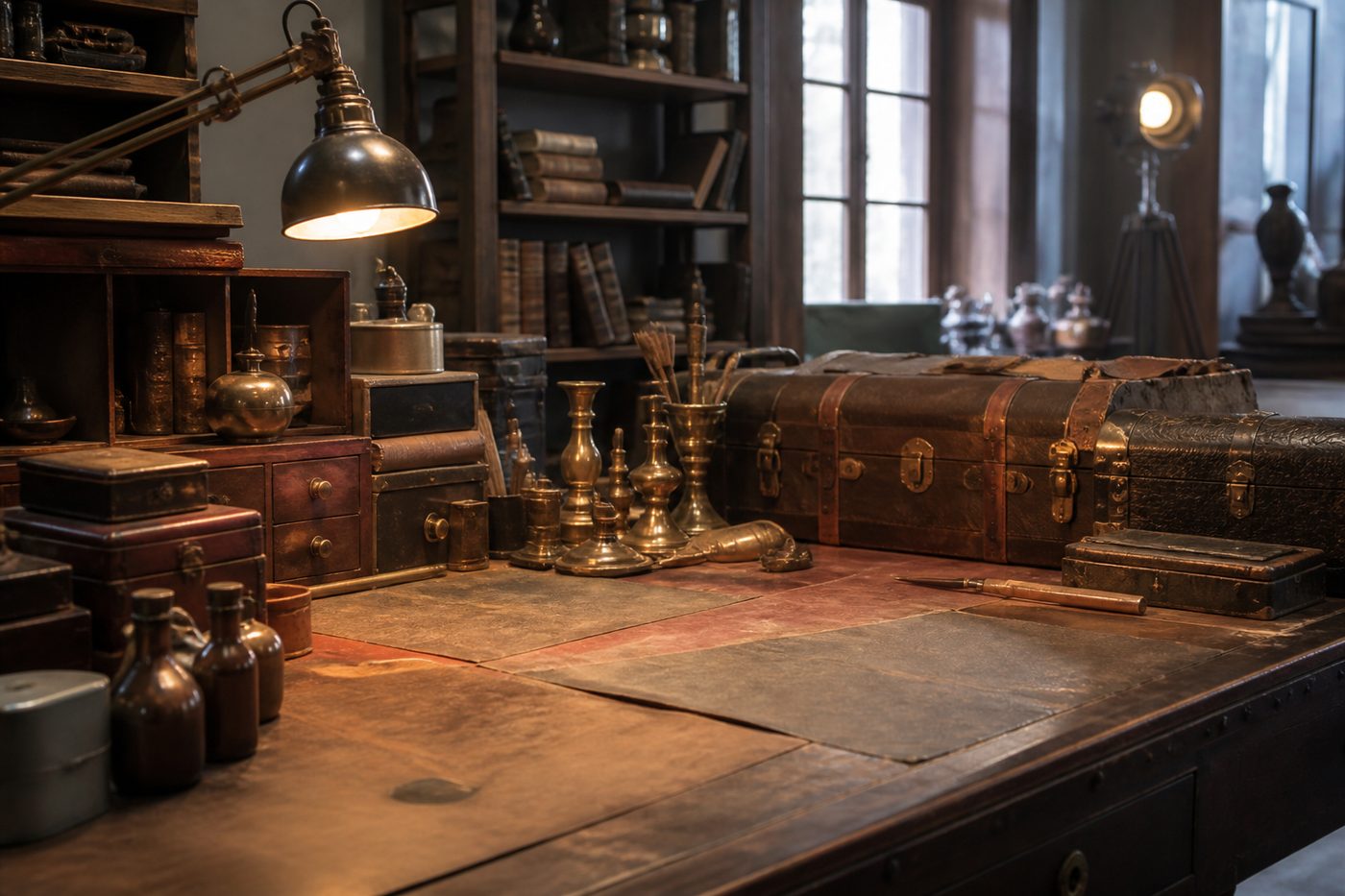
Film props are often humble materials performing extraordinary narrative jobs. Leather trunks, brass instruments, painted books, weathered letters — the craft is in wear patterns and scale consistency across a production. Workshop benches on display (or implied by adjacent tools) remind you that someone chose every scratch.
When a case holds many small items, resist photographing the whole shelf first. Pick one object. Ask: would this survive rain? Would it read from twenty metres? Would an actor’s hand hide the maker’s cleverest detail? Those questions rebuild respect for departments that marketing usually summarises as “magic”.
Why rushed visitors feel underwhelmed here
If you treat costume and prop rooms as corridors between “big” set pieces, they will feel like filler. They are not. They are where the tour’s educational ceiling is highest for adults who already know the plot. lotlinedesk recommends budgeting a deliberate linger — even five focused minutes — before you rejoin the current of the crowd.
Group dynamics matter. One excited photographer can flatten everyone else’s looking. Agree on a rhythm: photo, then put the phone down, then read one label aloud. It sounds school-like because it works.
Materials glossary for visitors
- Distressing — intentional wear so an object looks lived-in on camera.
- Hero prop — a finely finished piece meant for close-ups.
- Stunt / breakaway variants — safer or destroyable versions of the same idea (discussed conceptually; follow on-site labels for specifics).
- Costume continuity — multiples of a garment to survive a shoot schedule.
You do not need industry jargon to enjoy the rooms. The glossary simply gives you words for what your eyes already notice.
Linking craft rooms to the outdoor lot
After indoor cases, the backlot street can feel coarse — bigger, brighter, weather-affected. That contrast is useful. Facades outside are still craft, just at architectural scale. Carry the same questions outdoors: what is timber pretending to be stone? Where does paint carry the illusion? Detail literacy travels.
Editorial boundaries
lotlinedesk does not reproduce protected character art or unofficial merchandise galleries. Our images stay on craft atmosphere. We also do not sell replicas. If you want official products, that conversation belongs with the venue’s own channels — not with an independent blog pretending to be a shop.
For the wider day plan, return to the insider guide. For whether Leavesden beats a museum day, open the comparison longread. Corrections to craft descriptions: hello@lotlinedesk.pro.